
Luzzu
 admin
adminTable of Contents
ToggleLuzzu: A Quiet, Powerful Portrait of Life and Loss in Malta
Introduction
Released in 2021, Luzzu is a deeply moving Maltese film that captures the soul of a nation through the struggles of one man and his family. Directed and co-written by Alex Camilleri, Luzzu takes its name from the traditional, brightly painted Maltese fishing boats that have existed for centuries. Set against the authentic backdrop of coastal Malta, the film is a raw and intimate exploration of tradition, poverty, identity, and the painful cost of survival in a changing world. Far from a glossy tourist postcard, Luzzu presents Malta as lived by many, beautiful, harsh, and emotionally complex.
The Story: Tradition Versus Survival
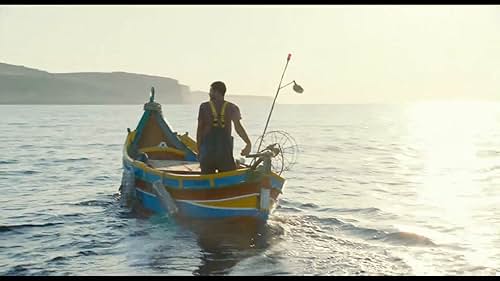
At the heart of Luzzu is Jesmark, a young fisherman portrayed with remarkable authenticity by non-professional actor Jesmark Scicluna. Jesmark comes from a long line of fishermen, and his life is tied to the sea. He owns a traditional luzzu boat, inherited from his father, which symbolizes both pride and burden. However, this heritage is under threat. His boat is damaged, his income is unstable, and his infant son is diagnosed with a serious medical condition that requires expensive treatment.
The film carefully follows Jesmark as he struggles to balance his moral values with the realities of survival. When legal fishing can no longer support his family, he is tempted into the illegal black-market fishing industry. This decision places him in constant conflict—between right and wrong, tradition and necessity, dignity and desperation. Luzzu never judges its protagonist; instead, it allows the audience to sit with the discomfort of his choices.
A Love Letter to Maltese Fishing Culture
One of the film’s greatest strengths is its authentic depiction of Maltese fishing culture. The luzzu boats, with their vibrant colors and the iconic Eye of Osiris painted on their bows, are not just props—they are symbols of history, protection, and continuity. The film shows early morning fishing routines, weather-beaten harbors, and the quiet camaraderie among fishermen who share both hardship and heritage.
Alex Camilleri, who grew up around fishermen, brings an insider’s perspective to the screen. Much of the dialogue is in Maltese, and many cast members are locals rather than trained actors. This grounding in reality gives Luzzu a documentary-like quality, making the audience feel as though they are observing real lives rather than watching a scripted drama.
Performance and Realism
Jesmark Scicluna’s performance is central to the film’s emotional impact. His restrained acting—often communicating through silence, body language, and tired expressions—feels painfully real. There are no dramatic monologues or exaggerated emotional outbursts. Instead, the film relies on subtlety, allowing small moments to carry immense weight.
Michela Farrugia, who plays Jesmark’s partner, delivers a similarly understated performance, embodying quiet strength and resilience. Together, the couple represents many working-class families who face impossible decisions with limited support.

Cinematography and Atmosphere
Visually, Luzzu is striking in its simplicity. Cinematographer Léo Lefèvre captures Malta in muted tones—gritty harbors, modest homes, and vast, unforgiving seas. The camera often lingers, creating a slow, contemplative rhythm that mirrors Jesmark’s emotional state. The sea is both beautiful and threatening, a provider and a destroyer.
Sound design also plays a crucial role. The creaking of boats, the hum of engines, and the crash of waves replace traditional musical cues, grounding the film further in realism. When music does appear, it is minimal and purposeful, never overwhelming the story.

Themes of Identity and Change
Beyond its personal narrative, Luzzu is a broader commentary on modernization and its impact on traditional ways of life. Malta, like many small nations, faces pressure from globalization, tourism, and industrial fishing practices. The film highlights how these forces marginalize small-scale fishermen, forcing them into ethical gray areas just to survive.
The luzzu boat itself becomes a metaphor for Maltese identity—beautiful, historic, but increasingly impractical in a modern economy. Jesmark’s struggle reflects a nation wrestling with how to preserve its past while adapting to an uncertain future.
International Recognition and Legacy
Luzzu premiered at the Sundance Film Festival, where it received critical acclaim and won the World Cinema Dramatic Special Jury Award for Acting. Its success marked a significant moment for Maltese cinema, bringing international attention to stories rooted in local experience. The film proves that deeply specific narratives can resonate universally when told with honesty and care.
- Categories
- Filming in Malta
